Latest
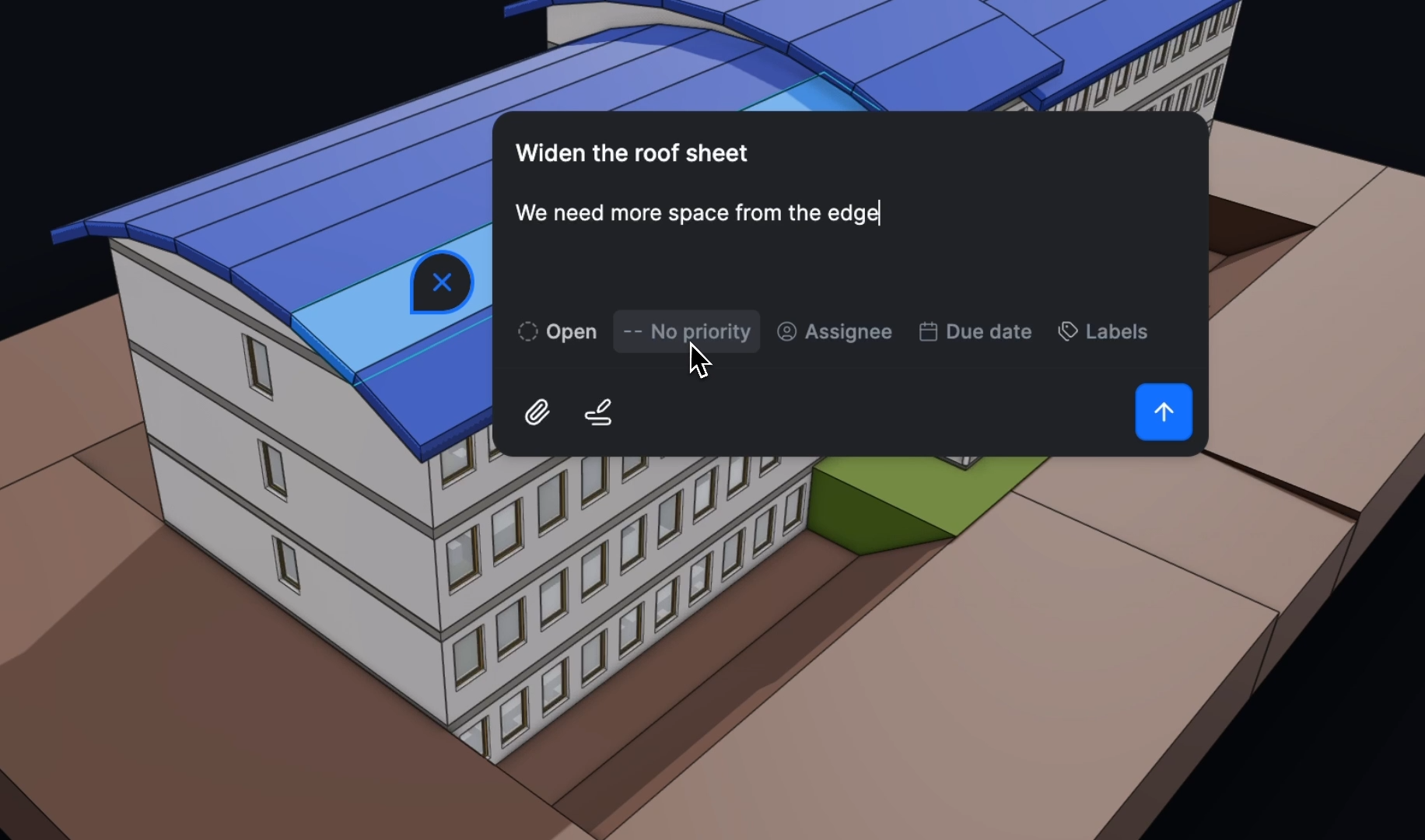
I recently led the redesign of Speckle’s discussion feature, transforming it into a powerful issue management system that helps teams track problems, assign work, set priorities, and resolve design issues without ever leaving their models.
For years, structured issue tracking had been one of the community’s most consistent requests.
It was one of the most demanding projects I’ve led this year.
More ➞
Should designers code? For years, my answer was a loud yes, 100%. Since 2018, I’ve been expanding my coding skills. It was a natural consequence of trying to grow in every direction as a designer.
Fast forward to 2025, and designers taking on more frontend work is becoming common. But with code easier than ever to ship, it’s also easier to get stretched too thin.
I’ve realized it’s more important than ever to manage your focus wisely. Your sense of empowerment with code should not limit you or prevent you from impacting the user experience on a higher level, or finding areas where your work can be real differentiator.
More ➞
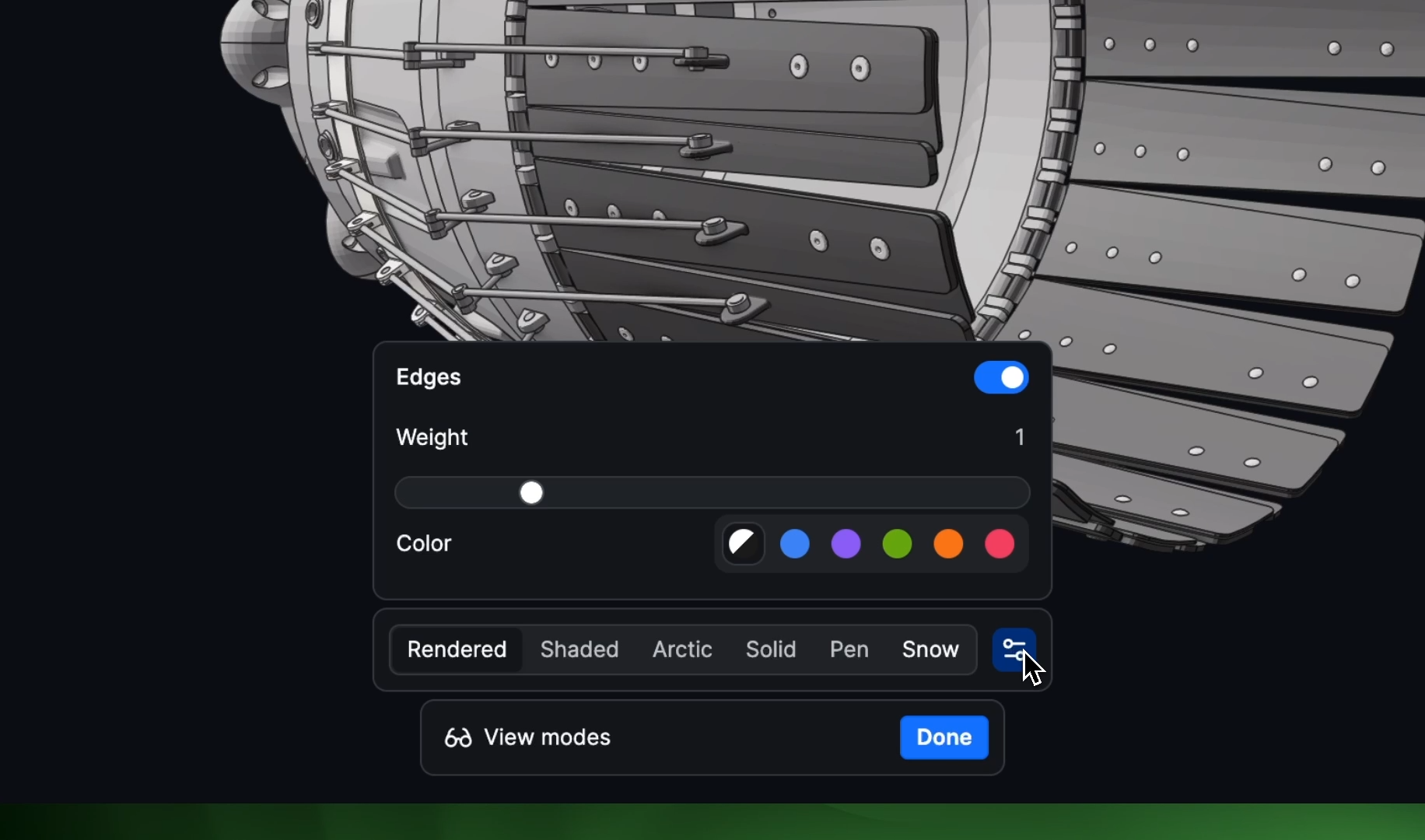
Last month I led the project to redesign the filters in the Speckle Viewer. This wasn’t just a visual refresh (though it got one). It was a rethink of how filtering should work when you’re dealing with complex, layered 3D data.
The project is also a great example of a broader mindset shift currently happening in the software industry: no more traditional design handoffs. Instead, a constant handshake between designer and developer — roles blending together, with me writing code and developer actively shaping UX decisions alongside me.
More ➞
I led the major refresh of the Speckle 3D viewer, redesigning most of the tools to make them easier to find and use while keeping the interface clean and flexible.
I always wanted to take the viewer to the next level, as for some teams it’s the primary tool they rely on.
Also, in my eyes—it’s the sexiest part of Speckle and where the actual magic happens.
More ➞
The last six months have been quite eventful in my startup journey. My time at Archilogic came to a close, I spent three months at Texture as an iterim design lead, and most recently, I joined Speckle.
I’m sharing a few more details about each of these experiences.
More ➞
With the fast growth of AI, we also observe new design patterns, heuristics, and anti-patterns that shape the AI experience.
Fortunately, instead of becoming an overnight AI design expert by looking at what others did, I could actually work on a AI related project.
Here’s what I learned from implementing natural language AI-search into Archilogic product.
More ➞
There isn’t a one-size-fits-all manual for building design systems that works flawlessly every time.
What consistently works for me, though, is cultivating a clear understanding of your team’s needs and constructing your design system with those needs in mind.
It’s crucial to remember that the ultimate goal is great product, not just impressive internal tooling. If the design system doesn’t help the team create a better product, what’s the point?
More ➞
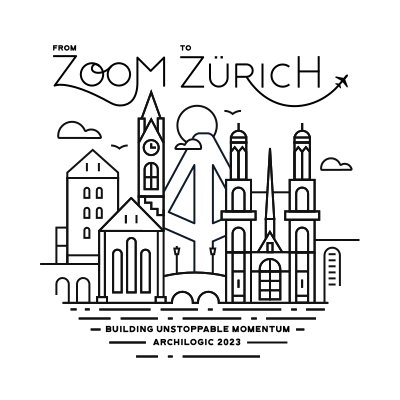
I recently had the chance to create a logo for our annual get-together at Archilogic.
I chose a monoline style built from lines of equal weight. It always makes it work perfectly in one color and at small scale.
More ➞
Roughly half of my professional experience originates from my time as a first designer at a startup or a scaleup.
I have eight pieces of advice on how to succeed in your role as the first (and only) design hire.
More ➞
A strange thing happens when you step up the design career ladder: you stop doing hands-on work.
When you’re new to this, you might struggle to adjust to the new reality and feel stressed (been there, done that).
And now, as a design manager, you’ll notice something else. The skills that made you a good designer don’t necessarily make you a good manager.
The key is to understand that, from now on, as a design manager, you’ll be designing your team - not the product.
The rewards for your efforts will lie somewhere else but can be just as satisfying.
More ➞
It always starts like this: “Hey, we need to add some questions to the onboarding flow.”
We wanted to start profiling users signing up for our platform. I had to update the onboarding flow. What I got from sales initially was a form with questions that resembled my tax forms.
Here’s a quick story about how I approached it and a bunch of other thoughts I have on profiling during onboarding.
More ➞
I have always had a soft spot for After Effects. It has always been my go-to tool for making UI animations. But, as much as I love it, fitting AE into my design process has always been a bit tricky.
It's super powerful but can be a pain when working with other design tools, and it takes time to prototype in it.
Recently, I had the chance to dive into After Effects again and while I was working on the little animation above, I jotted down some thoughts on what I changed to improve my workflow.
More ➞
Seasoned designers handle both the big picture and nitty-gritty details of the design problems they’re tackling.
On the big-picture side, they get why they’re designing things in a certain way. They connect their decisions to the broader context. They think about who needs it, why it matters, and where the value is for users and the business.
When they dive into the nitty-gritty details and make those tiny design decisions, it’s because they know that the total of small oversights or mistakes at this level can mess up even the best high-level design work.
Being able to continuously switch focus during work, take a step back to see the bigger picture, and then zoom in on the nuances again is a highly undervalued skill.
More ➞
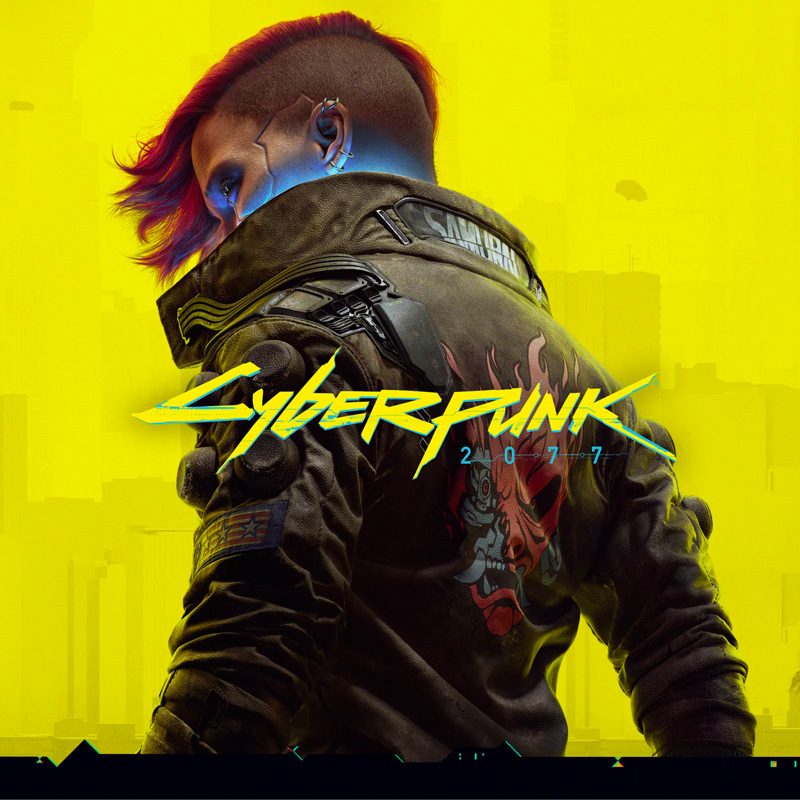
My team an I spent months obsessing over the REDlauncher interface, trying to make it a seamless "handshake" between players and Cyberpunk's Night City.
Then the game was released, and one million people tried to shake our hand. After having some time to reflect on everything that happened, I noted a few lessons from leading the design for this project.